A universal clothing size chart is not meant to predict the exact fit of every garment. Its main purpose is to help you find your baseline range quickly. Once you know your chest, waist and hip measurements, the chart helps you connect them to common international size systems before you move on to brand-specific differences.
Start with your measurements
Do not begin with the letter size. Start with your actual numbers. If you have not measured yet, use the guide on how to take body measurements for clothing. Without those numbers, a size chart becomes guesswork.
How to read the chart
Compare your chest, waist and hip values with the ranges shown in the table. If all three measurements fall into the same range, that is a strong baseline. If they split between two sizes, think about the garment type: shirts depend more on chest and shoulders, trousers depend more on waist and hips, and dresses usually require a balance between all three.
What the chart can and cannot do
The chart does not replace a brand-specific fit guide. What it does provide is structure: it turns a vague feeling like “I am usually a medium” into a clearer starting point. After that, it makes sense to compare your range with the brand size database or a specific label page.
When a universal chart is enough
If you need a quick baseline for a new store or a first estimate before checking a brand, a universal chart is often enough. That is the role of the Unisizer universal size section.
Where to start when reading the chart
Do not begin by guessing a size from the letter you usually buy. It is much calmer to start from your actual numbers: chest, waist and hips. Different clothing categories rely on different measurements. Shirts and structured tops care more about the upper body, trousers and skirts lean more heavily on waist and hips, and dresses often require a more balanced reading of all three.
Why the universal chart is only the first layer
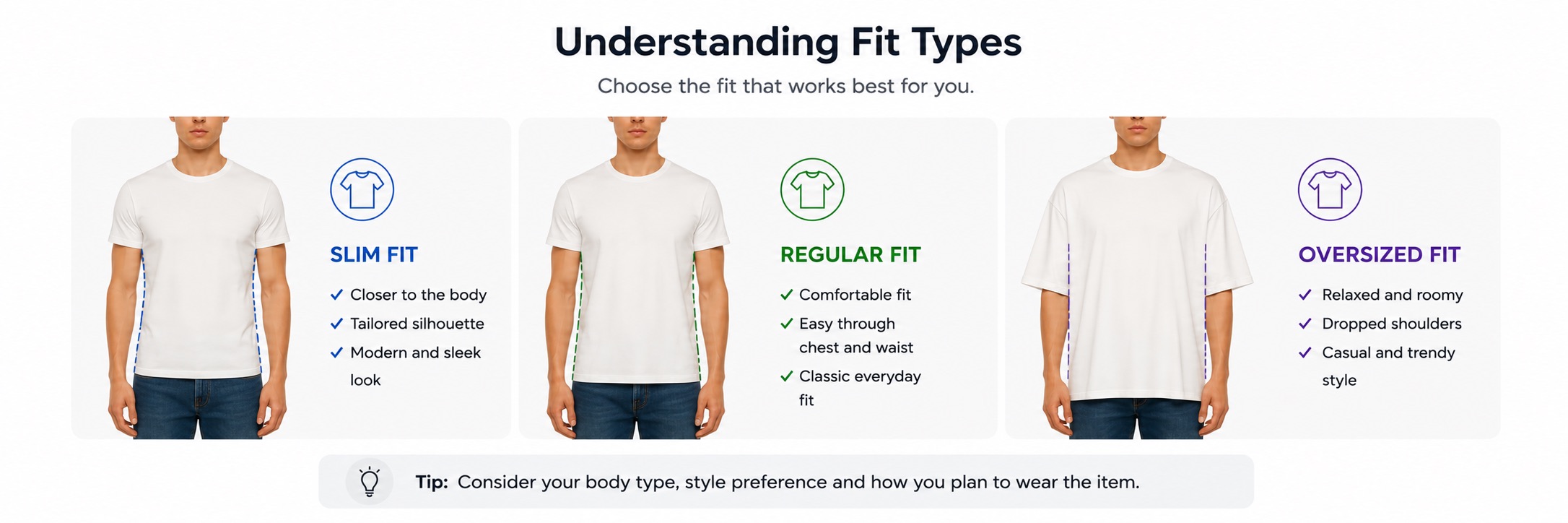
A universal chart helps you find your baseline zone, but it cannot explain the cut of a specific item. One brand may fit closer to the body, another may leave more room, and a third may change the feel through fabric alone. That is why it helps to move from the general page to brand-specific size tables before making the final call.
Practical decision logic
- Choose the leading measurement for the clothing category you are buying.
- Check the neighbouring values if you sit on the edge of a range.
- Do not ignore fit description and fabric behaviour.
- If needed, use size recommendation tools as a second layer of verification.