Universal clothing and shoe size charts
This page brings together universal size charts for clothing and shoes. It is a practical starting point when you want to understand international sizing first and then move on to brand-specific size charts .
A universal chart helps you understand your general size range. Before buying, it is still better to compare that result with your real measurements, the intended fit of the garment and, if needed, check it through a size recommendation flow .
What a universal chart includes
Usually it maps common sizing systems such as INT, EU, US and UK, together with key measurements like chest, waist, hips or foot length. That is often enough to understand where your size search should begin.
Why sizes still differ
Even if two brands label a garment as S or EU 38, the fit can still feel different. Pattern blocks, fabric type, stretch and the brand’s fit philosophy all change the final result.
When this chart is most useful
It is especially useful when you buy from a new brand for the first time, compare size systems between countries, choose shoes by foot length or simply need a fast starting point.
What to do next in Unisizer
Once you know your baseline range, the next step is to check more specific pages for shirts, pants, jeans and shoes, then continue to brand pages, partner stores and more precise size tools.
Basic universal clothing size chart
Below is a simple universal clothing size chart. Use it as a reference to compare common international sizes and quickly understand which range you should look at first.
| INT | EU | US | Chest, cm | Waist, cm | Hips, cm |
|---|---|---|---|---|---|
| XXS | 32 | 0 | 76–80 | 56–60 | 82–86 |
| XS | 34 | 2 | 80–84 | 60–64 | 86–90 |
| S | 36 | 4 | 84–88 | 64–68 | 90–94 |
| M | 38 | 6 | 88–92 | 68–72 | 94–98 |
| L | 40 | 8 | 92–98 | 72–78 | 98–104 |
| XL | 42 | 10 | 98–104 | 78–84 | 104–110 |
| XXL | 44 | 12 | 104–110 | 84–92 | 110–116 |
| 3XL | 46 | 14 | 110–116 | 92–100 | 116–122 |
| 4XL | 48/50 | 16/18 | 116–124 | 100–108 | 122–130 |
How to take your core measurements
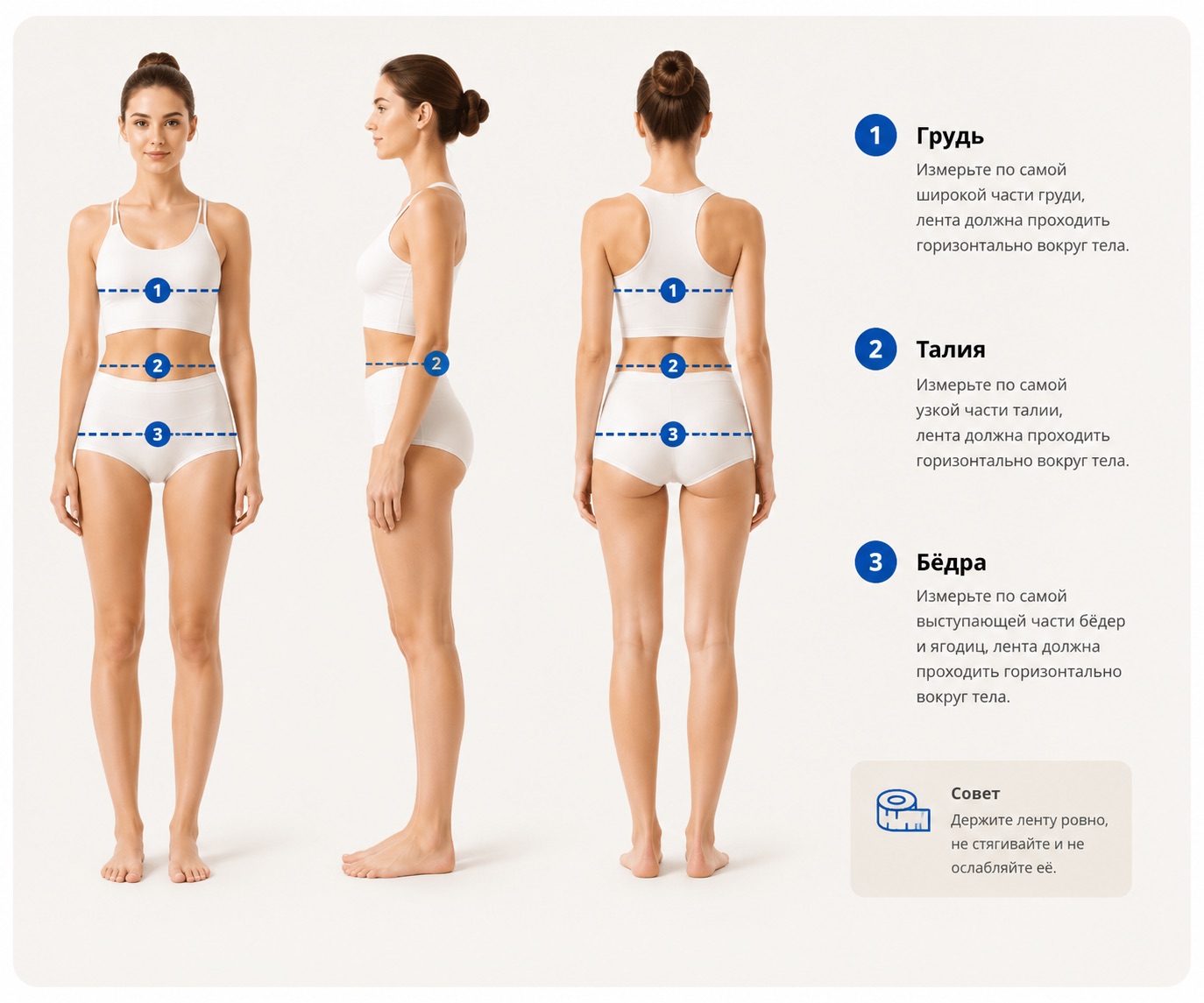
For clothing, three measurements are usually enough: chest, waist and hips. The tape should sit level, without sagging and without being pulled too tight. If you want a more exact result, move to measurement-based fitting .
Measure chest at the fullest point, waist at the natural waistline and hips at the fullest part. It is best to do this over light clothing or underwear. For a quick starting point, you can also use body-based fitting .
If your numbers fall between two sizes, look at the garment type. For more fitted items, the safer option is often the size that covers the larger measurement. In borderline cases, use size recommendation as a second check.
Basic shoe size chart
For shoes, foot length is the main reference point. This table helps you translate centimetres into EU, UK and US sizing and quickly understand which brand size to check first.
| Foot length | EU | UK | US women | US men |
|---|---|---|---|---|
| 21.5–22.0 cm | 34 | 2 | 4 | 3 |
| 22.0–22.5 cm | 35 | 2.5 | 5 | 4 |
| 22.5–23.0 cm | 36 | 3.5 | 5.5 | 4.5 |
| 23.0–23.5 cm | 37 | 4 | 6 | 5 |
| 23.5–24.0 cm | 38 | 5 | 7 | 6 |
| 24.0–24.5 cm | 39 | 6 | 8 | 7 |
| 24.5–25.5 cm | 40 | 6.5 | 8.5 | 7.5 |
| 25.5–26.0 cm | 41 | 7 | 9 | 8 |
| 26.0–27.0 cm | 42 | 8 | 10 | 9 |
| 27.0–27.5 cm | 43 | 9 | 11 | 10 |
| 27.5–28.5 cm | 44 | 9.5 | 12 | 10.5 |
| 28.5–29.0 cm | 45 | 10.5 | 13 | 11.5 |
| 29.0–30.0 cm | 46 | 11 | 14 | 12 |
How to use a universal size chart
Start by finding the range that is closest to your measurements. That gives you a baseline such as M, EU 38 or US 6. If you already know your measurements, you can move straight to measurement-based fitting .
Then compare that result with what you usually wear and always account for the garment category. Shirt sizing, jeans sizing, outerwear sizing and shoe sizing should not be transferred blindly without checking the relevant brands .
When you shop from a specific brand, treat the universal chart as a starting point only. For a better decision, move to the brand chart or verify the fit through a size recommendation flow .
Where to go next
After this page, you can either check yourself through a size recommendation flow or go straight to brands and partner stores . Over time, this section will also connect to more focused charts for shirts, pants, jeans, dresses and shoes.
FAQ
Can I buy safely using only a universal chart?
It can reduce the risk of choosing the wrong size, but it does not replace a brand-specific chart. The best way to use it is as a first reference before checking the actual brand and garment.
What matters more: the size label or the actual centimetres?
Real measurements always matter more. Labels such as S, M, L or EU 38 are useful references, but your actual numbers tell you much more about how something may fit.
Why are shoe and clothing size rules different?
Clothing depends on body measurements and desired fit, while shoes rely mainly on foot length and last shape. That is why shoe charts and clothing charts should be handled separately.
What should I do if I am between two sizes?
Look at the garment category and fit type. For more fitted items, choosing the size that covers the larger measurement is usually safer, while relaxed fits give you more flexibility.
Do you have questions?
ContactsInformation and service portal.